
You know the feeling. You’ve got twenty browser tabs open, three job boards, a half-finished résumé, and an ad that promises “$6,000 a month from home, no experience needed.” Part of you knows it’s too good to be true. Part of you is tired enough to click anyway.
[ADD YOUR OWN: a moment from your own job search, or a story someone told you, where an offer looked too good]
I’ve written this for that moment. It won’t promise you a dream job, because nobody honest can. It will show you which fields are worth researching, where real listings live, and how to apply without getting burned.
One thing first: the jobs below are established career areas, not a claim that someone is hiring today. Always confirm a vacancy on the employer’s own website.
Remote jobs: real, but not as easy as the ads say
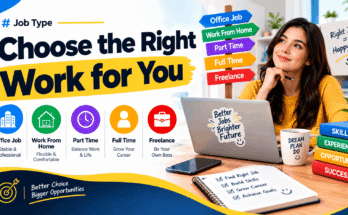
Remote work is real. But “remote” can mean very different things. Some employers want you online during fixed hours. Some only hire in certain states. Some provide equipment, and some expect you to buy your own.
Before you apply to any remote role, ask yourself these four things:
- Is it full-time, part-time or contract?
- Do I need to live in a specific state?
- Who provides the laptop and software?
- Are the working hours fixed?
Here are the remote categories that come up most often.
Customer service. You handle questions about orders, billing and accounts. It’s one of the more accessible remote starting points, and many employers train new hires. You’ll need clear communication, basic computer skills and a stable internet connection.
Administrative support. Scheduling, emails, documents, records. If you’ve worked in an office, a shop or a school, you probably have transferable skills. Search terms like “virtual assistant” or “remote office support” will turn up plenty.
Software development. This is a strong long-term career, but it isn’t an instant-entry one. Employers want real skills, and the easiest way to show them is with projects you’ve actually built. If you’re starting from zero, aim for junior roles and expect to spend time learning first.
Digital marketing. Search engines, email, social media, paid ads, reporting. Employers like results they can see, so a small portfolio of real work, even your own site or a volunteer project, can carry a lot of weight.
Healthcare: steady demand, strict requirements
Healthcare is a large employment sector, and the US Bureau of Labor Statistics projects healthcare and social assistance as a major source of job growth over 2025 to 2035. Projections aren’t guarantees, and demand varies by location, but it’s a field worth exploring.
The catch is credentials.
Registered nurse. You need an approved nursing education, a state license, and to meet that state’s rules. If you trained outside the US, expect extra steps like credential evaluation. Check your state board of nursing before you spend money on anything.
Medical assistant. A mix of front-desk and clinical duties, like scheduling, patient records and preparing exam rooms. Some employers train you, others prefer certification.
Medical records specialist. A good fit if you like organization and detail more than direct patient care. Some employers want a related certificate.
IT and tech: skills matter more than titles
The BLS also projects growth in computer and mathematical occupations over the same period. Again, that’s a long-term picture, not a promise that a specific company is hiring this week.
IT support / help desk. Probably the friendliest entry point. You fix computer problems, help people with software and accounts, and learn how systems work. Many people start here and move into networking or security.
Cybersecurity analyst. You monitor alerts, investigate incidents and help protect systems. It often takes some IT background first, so don’t expect to jump in cold.
Data analyst. Spreadsheets, SQL, dashboards, and sometimes Python. A portfolio showing how you cleaned data and explained results is worth more than a long list of buzzwords.
[ADD YOUR OWN: one skill or course you’d tell a beginner to try first]
Entry-level jobs: easier to start, but read the fine print
“Entry-level” doesn’t always mean “no requirements.” You might need a high school diploma, a driver’s license, flexible shifts or a background check.
- Warehouse associate: receiving, packing and shipping, often on evening or overnight shifts. Check the lifting requirements and overtime rules.
- Retail sales associate: customer service, cash handling, displays. Good for building communication skills.
- Delivery driver: requirements vary a lot. If you’re a contractor, count fuel, maintenance and insurance before deciding the pay is good.
- Office clerk: filing, data entry and basic admin. Useful if you’re organized and comfortable with computers.
Government jobs: official, and not open to everyone
The place to look for federal jobs is USAJOBS.gov, the official federal job site. You can filter by agency, location, salary and work arrangement.
The big thing people miss is that many federal jobs have eligibility rules. Some are limited to US citizens, some to current federal employees, veterans or students. Read the “Who may apply” section of each announcement before you build your application.
State, county and city governments post their own jobs too. Search the official site for the place where you want to work and look for its careers page.
“High-paying” is a range, not a promise
Fields people often research for higher pay include software, cybersecurity, data, advanced healthcare roles, engineering, finance and management. Most of them need advanced education, a license, or years of experience.
Before you trust a salary number, check it. The BLS Occupational Outlook Handbook (bls.gov/ooh) lists pay, education requirements and outlook by occupation. When you read any figure, know what it is: a median wage, a starting salary, an advertised range, an hourly rate or commission. They’re not interchangeable. Look at benefits, living costs and whether the role is salaried, hourly or contract.
Where to look for real jobs
- USAJOBS.gov for federal positions.
- CareerOneStop.org, sponsored by the US Department of Labor, for job search tools, training info and career exploration.
- BLS.gov to research occupations, pay and trends. It’s not a job board, but it helps you decide where to aim.
- State government career sites for state jobs.
- Employer career pages. When you see a job on a board, find the same listing on the company’s own site. Some real employers do use outside application systems, so an unfamiliar link isn’t automatically fake, but verify it through the company’s official site before you enter personal details.
How to apply without wasting your time
- Search specific titles. “IT support specialist” beats “USA jobs.”
- Read the whole posting. Pay, schedule, location, licenses, closing date.
- Tailor your résumé. Highlight relevant skills and real results. Never invent jobs, degrees or licenses.
- Write a short, specific cover letter that connects your experience to what they asked for.
- Apply through the official channel and save a copy of the posting and the date.
- Prepare for the interview with a few real examples of how you solved problems.
- Never pay anyone who guarantees an interview or an offer.
If you’re applying from outside the US
Some employers hire from abroad, but many don’t. A posting online doesn’t mean it’s open to you, and it doesn’t come with a visa. Before you apply, check whether the employer accepts applicants outside the US, whether you need US work authorization, whether sponsorship is mentioned, whether the occupation needs a US license, and whether the posting has citizenship restrictions. USCIS.gov is the official source for immigration rules.
Fake job offers: the red flags
Scammers copy real company names and logos, so a professional look proves nothing. Watch for:
- Anyone asking you to pay a fee to get hired.
- Guaranteed jobs or “100% selection.”
- A check sent to you with instructions to send some money back.
- Requests for gift cards.
- Requests for your Social Security number or bank details before there’s a real hiring process.
- Interviews only by chat, from an email address that doesn’t match the company.
To protect yourself, verify the company’s real website, confirm the job on its careers page, and guard your ID and banking details. The FTC has job scam guidance and a place to report fraud at consumer.ftc.gov and ReportFraud.ftc.gov.
A few habits that help
Track your applications. A simple spreadsheet with company, link, date and contact saves you from confusion later.
Use job alerts on reputable platforms so new matches come to you.
Build skills that match the jobs you want. Short courses, certifications and small projects help when they line up with what employers ask for.
Check the work setup. “Flexible” can still mean fixed hours or occasional office days.
Be realistic about pay. Research local wages for the role before you negotiate.
Quick answers
What are the best jobs in the USA in 2026? It depends on your skills, location and goals. Healthcare, technology, skilled trades, business operations and administrative roles are all worth researching. Check current openings and official data before you commit.
Where do I find legitimate remote jobs? Reputable job platforms and employer career pages. USAJOBS lists federal telework-eligible roles.
Are there jobs with no experience? Some retail, warehouse, customer service and admin jobs hire beginners, but most have basic requirements.
What’s the best site for federal jobs? USAJOBS.gov.
Can I get a US job from another country? Possibly, if an employer is willing and legally able to hire you. Check work authorization and sponsorship first.
Are all work-from-home ads real? No. Remote jobs exist, but so do fake ones. Don’t pay upfront fees.
Where I’d start
Pick one field. Research it on BLS.gov. Look for real openings on USAJOBS, CareerOneStop or the employer’s own site. Apply carefully, keep records, and treat anything that sounds too easy with suspicion.
It’s slower than the ads suggest, but it’s the version that actually works.
Before you publish:
- Fill in the three [ADD YOUR OWN] spots with real experiences.
- Add a short line like “This is general information, not career or legal advice” near the visa section.
- Check that the links (usajobs.gov, careeronestop.org, bls.gov/ooh, uscis.gov, consumer.ftc.gov) work on publish day.
- Add 1 to 2 original images, such as a screenshot of a USAJOBS search or a simple checklist graphic, to make it clearly your own.